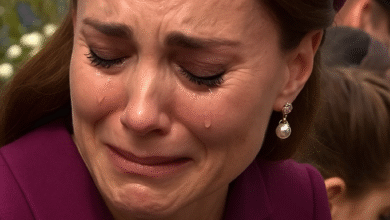
Prince Harry rushed back to Birmingham palace after king Charles fainted and was rushed to the ICU
In the ever-watchful public eye, few narratives within the British royal family command as much attention and intrigue as the deeply intricate relationship between King Charles III and his youngest son, Prince Harry.
Welcome viewers to my channel. Please subscribe, like my video, and turn on notifications so you don’t miss our next update.
This dynamic pairing has consistently been the focal point of intense speculation and enduring interest, particularly in light of recent developments that hint at a possible reconciliation between them.
Such rumors have ignited a renewed surge of hope among royal watchers, dedicated supporters, and the general public — all of whom fervently long for a mending of their fractured familial ties and a definitive resolution to the persistent tensions that have characterized their interactions over the years.
However, the very notion of reconciling their relationship is fraught with numerous, often insurmountable challenges and deeply rooted complications that cannot be overlooked or easily dismissed.




Decades of deep-rooted tensions have persisted, making the prospects for a genuine, heartfelt reunion increasingly difficult and profoundly complex.
These internal conflicts not only severely affect King Charles and Prince Harry on a personal level, but also intricately complicate the relationships among other family members — creating a tangled web of emotional and psychological challenges that resonate throughout the royal household.
At the heart of this emotionally charged situation is Prince Harry, who appears to be at the very center of King Charles III’s earnest efforts to heal old wounds and repair their fractured bond, aiming to restore some semblance of normalcy and harmony within their family dynamic — a task that has proven to be exceedingly difficult.
The potential for restoring their relationship is not solely dependent on the direct personal interactions between father and son. It also significantly hinges on Charles’s deeply felt desire to establish a meaningful and lasting connection with his grandchildren, Archie and Lilibet, whom he has had limited access to.
The profound longing to know his grandchildren adds another layer of intricate complexity to an already delicate family dynamic — as it involves not only deeply personal desires, but also broader, far-reaching implications for the royal family’s future and its carefully cultivated public image.
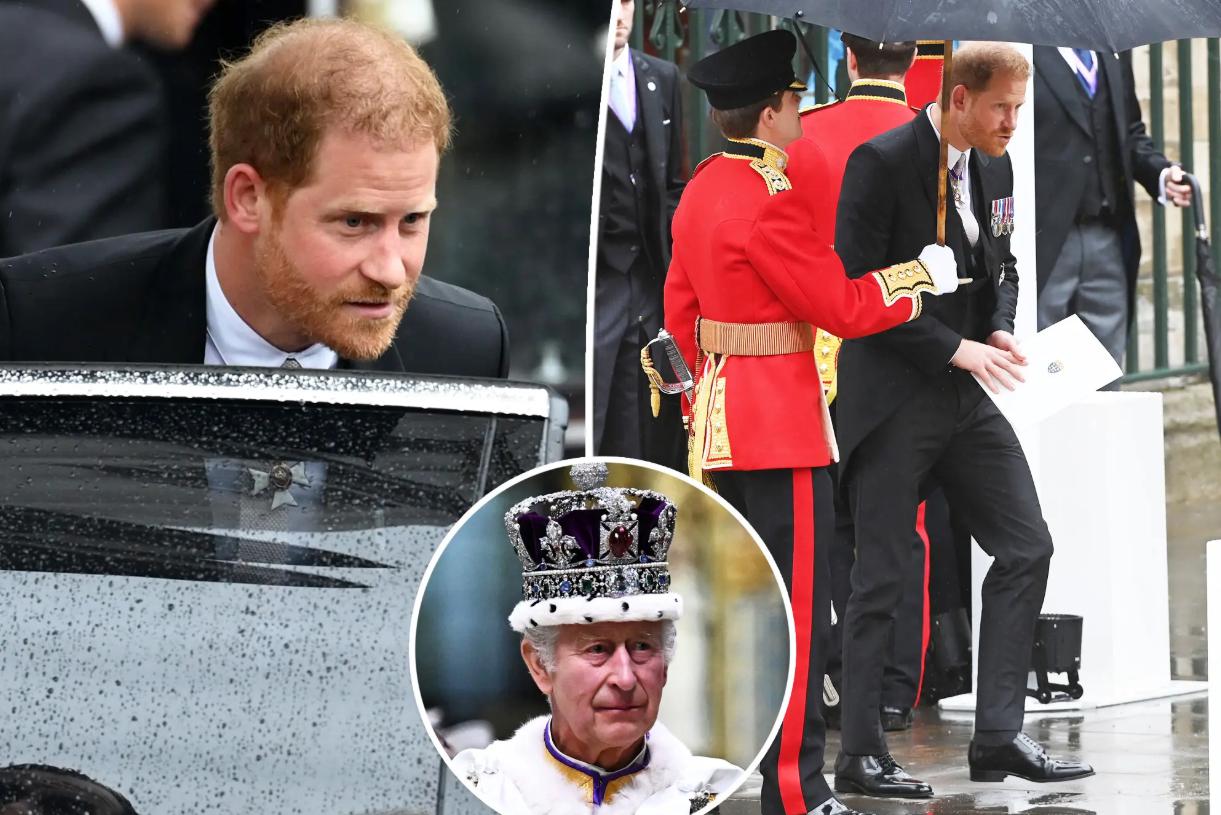
Harry’s children represent a new and crucial generation within the monarchy, and their relationship with their grandfather could significantly influence how the royal family adapts to and navigates modern expectations and societal shifts.
In this delicate and emotionally charged landscape, Queen Camilla has notably adopted a firm and unwavering stance regarding the involvement of Charles’s grandchildren in official royal life.
Reports suggest that she has even gone so far as to prohibit Archie and Lilibet from visiting official royal residences, thereby creating further barriers and deepening the divide between the Sussex family and the royal household.
This alleged restriction underscores the significant and persistent rift that persists within the royal family and highlights the considerable and growing influence Camilla wields over crucial decisions affecting the royal family’s dynamics and public perception.
Her role appears to be increasingly pivotal — both in a personal capacity and within the broader institutional framework of the monarchy — raising critical questions about how her influence may shape the future dynamics of the royal family and its relationship with the public.
The divide between Camilla and the Sussexes has notably deepened, particularly following the highly publicized release of Prince Harry’s candid and revealing memoir.
In this deeply personal account, he sheds light on the family’s tumultuous dynamics and includes pointed critiques of Camilla’s role as Queen Consort, painting a vivid picture of a family struggling with internal discord, profound miscommunication, and deep-seated grievances.
The memoir has not only provided Harry’s unfiltered perspective, but has also opened a broader and more public dialogue about critical issues such as mental health, family loyalty, and the immense pressures of royal life.
Since the memoir’s publication, the schism seems to have widened further — with Camilla reportedly employing various strategic maneuvers to maintain distance between key figures in this ongoing and highly publicized narrative.
Her actions suggest a clear desire to control the narrative and influence the royal family’s dynamics in ways that may not favor Harry and his family — significantly complicating any prospects for genuine reconciliation and healing.
In this complex and emotionally charged context, Harry’s position becomes increasingly significant and profoundly complex.
He not only serves as the direct and crucial link between himself and King Charles III, but also embodies the deep fractures and multi-faceted challenges facing the modern monarchy as it grapples with its public image, evolving family dynamics, and the pressures of maintaining tradition in a rapidly changing world.
As King Charles’s health continues to decline, there are growing indications that real power may be gradually shifting towards Camilla.
This transition suggests that she is now exerting a firm grip on the most sensitive and critical decisions within the royal family — which could further limit Harry’s interactions with both his father and his own children, creating an even larger emotional divide that could have lasting and potentially irreparable repercussions.
As the situation continues to unfold with unpredictable twists and turns, uncertainty looms heavily over the future of relationships within the royal household.
It remains unclear whether a viable path to reconciliation will emerge — offering hope for healing and unity — or if ongoing tensions and unresolved grievances will inevitably usher in a challenging and potentially tumultuous era for the British monarchy.
The evolving circumstances highlight the profound complexities of familial ties amidst the intense public scrutiny and institutional pressures that define royal life, leaving many to wonder what the future holds for this storied family and its legacy.
The stakes are undeniably high, and the world is watching closely as this intricate and deeply emotional narrative develops — with many hoping for a resolution that could bridge the deep gaps created by past grievances and pave the way for a more harmonious future.
As the royal family navigates these turbulent waters and faces these profound challenges, it becomes increasingly important to consider the broader implications of these deeply personal conflicts.
The relationship between King Charles III and Prince Harry is not merely a family matter.
It reflects the evolving nature of monarchy in contemporary society and the inherent challenges that come with balancing deeply ingrained tradition with modern expectations and societal shifts.
The complexities surrounding their relationship underscore the urgent need for open communication, genuine empathy, and profound understanding — which may be the critical key to overcoming the seemingly insurmountable obstacles that currently stand in their way.
As they confront these multi-faceted issues, the hope for a brighter and more unified future remains a powerful aspiration, though it is tempered by the stark realities of their complex and often painful situation.
In a world where public perception plays a crucial and decisive role in shaping the monarchy’s image and relevance, the resolution of these conflicts could have significant and far-reaching implications — not only for the individuals involved, but also for the institution itself.
The royal family must navigate the delicate and often precarious balance between deeply rooted tradition and the demands of modernity, ensuring that they remain relevant and relatable to the public while addressing their internal strife and deeply personal conflicts as they move forward.
The potential for healing and unity remains a powerful and enduring aspiration — one that could redefine the family’s legacy for generations to come.