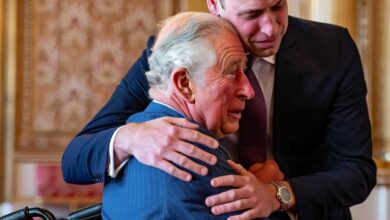
Buckingham Palace Makes Major Announcement Amid Staff Leaving After King Charles’s Outing
…year. For many, Highgrove has long symbolized Charles’s vision of sustainability, blending heritage with modern ecological ideals. Yet behind the idyllic landscape, accounts from staff suggest a very different reality — one marked by grueling schedules, limited compensation, and an atmosphere where perfection was demanded but seldom acknowledged.
The viral clip from Scotland has amplified those concerns, placing a spotlight not only on a single tense exchange but also on the broader culture of royal employment. According to reports, the departure of nearly the entire gardening team has left the estate scrambling to maintain standards, with temporary contractors being brought in to fill the gap. The sudden turnover has fueled speculation of deeper unrest within the king’s household, extending beyond the gardens into the wider royal staffing structure.
Public reaction has been fierce. Some view the incident as a small but telling reflection of a monarch increasingly out of touch with the financial struggles of ordinary workers. “If the king can’t look after the people who care for his gardens, how can he look after the country?” one critic wrote online. Others have defended Charles, pointing out his decades-long dedication to organic farming and his role in pioneering environmental practices before they were mainstream. Still, the optics of the king being publicly challenged on staff pay during what was meant to be a feel-good engagement have proven difficult to manage.
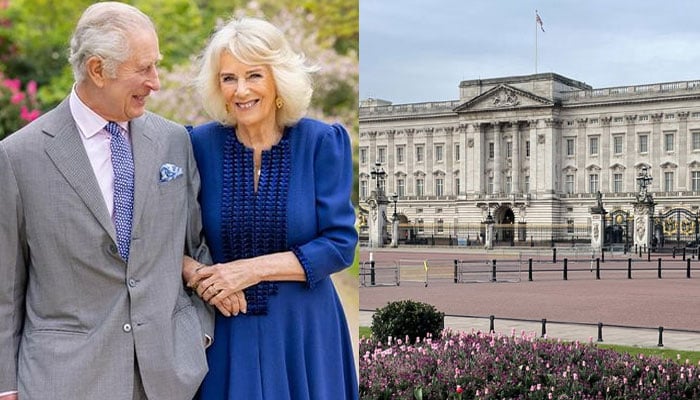
The king’s communications team has worked overtime to redirect the narrative, highlighting Charles’s charitable initiatives and the millions raised annually by The King’s Foundation to support education, sustainability, and heritage preservation. Yet even palace insiders admit that the optics of a mass staff exodus are damaging. “The king is meticulous,” one source said, “but that same meticulousness can create extraordinary pressure. Some thrive under it. Others leave.”
Adding to the controversy are broader debates about royal finances. The heckler’s reference to the Duchy of Lancaster — the private estate that provides Charles with tens of millions annually — has reignited discussions over whether the monarchy should be more transparent about how funds are allocated and whether staff wages should reflect the enormous wealth connected to royal estates.
Meanwhile, gardening associations and labor rights groups have weighed in, with the Professional Gardeners’ Guild calling for “fair pay for highly skilled work.” Commentators have noted the irony that Charles, who has long championed environmental stewardship, is now facing criticism for failing to extend that same sense of care to the people tending his beloved landscapes.
The episode raises larger questions about the monarchy’s adaptability in a world where transparency and accountability are increasingly demanded. For now, Highgrove’s lush gardens remain a jewel of British horticulture — but one that has become entangled in a narrative about power, privilege, and the people behind the palace gates.
Whether this controversy fades or evolves into a deeper reckoning may depend less on carefully edited social media posts and more on whether the king takes concrete steps to address the concerns of those who once nurtured the gardens he so proudly calls his own.