William & Catherine’s TRUE COLOR Over Their IMPORTANT Decision That CHANGED Their Lives Forever
Hello dear viewers, and welcome back to our channel, where history, heritage, and humanity come together at the heart of the royal story. Today, we turn to a development that feels both deeply personal and profoundly significant for the future of the monarchy. The Prince and Princess of Wales, along with their three children—Prince George, Princess Charlotte, and little Prince Louis—are preparing to leave behind Adelaide Cottage, their cozy Windsor residence, and step into what they call their forever home: Forest Lodge, an elegant eight-bedroom estate nestled within Windsor Great Park.
At first glance, this may seem like just another move. But in reality, it represents far more. It is a decision shaped by the past few years of extraordinary highs and heartbreaking lows—years marked by Queen Elizabeth II’s passing, the cancer diagnoses of both King Charles and Catherine, and the Wales family’s effort to carve out a private, nurturing space for their young children. Kensington Palace confirmed the news in a brief statement: “The Wales family will move house later this year.” Yet behind those simple words lies a story of resilience, hope, and a family determined to chart its own path.
Forest Lodge is no ordinary property. Built in 1831, its bones carry nearly two centuries of history, with its original porch still standing as a symbol of continuity. The house last underwent major renovations in 2001, at a cost of around £3 million. Once valued at £11.4 million, it is now estimated to be worth around £30 million. Despite its grandeur, Forest Lodge remains a private home, hidden within Windsor Great Park, with no public access—a sanctuary in the truest sense. Planning documents lodged in June confirm that William and Catherine have applied for minor internal and external works, and crucially, the couple is covering the costs themselves. This stands in stark contrast to the 2019 renovation of Frogmore Cottage for the Duke and Duchess of Sussex, which was taxpayer-funded to the tune of nearly £4 million, and immediately sets a tone of independence and responsibility.
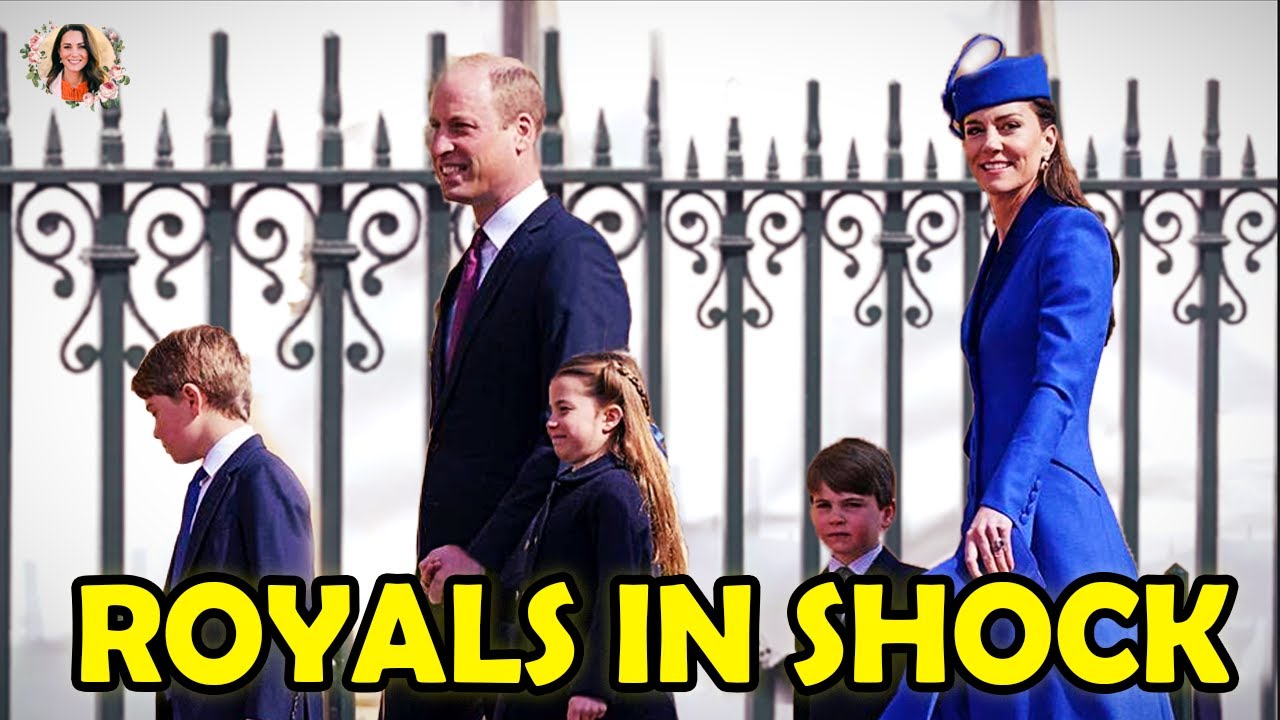
Why does this matter? Because for William and Catherine, home is not merely a residence. It is a statement of values. They could have remained at Kensington Palace, within the traditional royal orbit of London, but instead they have chosen Windsor, where their children already attend Lambrook School, where life feels more grounded, and where William can step into his growing royal role while still tucking his children into bed at night. Their move reflects a clear priority: stability for George, Charlotte, and Louis as they grow into their public responsibilities.



Indeed, this is not the Waleses’ first relocation. In 2022, they left London behind, moving full-time to Windsor for the sake of their children’s upbringing. They adapted quickly to life at Adelaide Cottage—a charming four-bedroom home—but with their family growing and the demands of public life evolving, Forest Lodge now offers the space and permanence they seek. Notably, they will continue their practice of living without live-in staff, underlining their desire to keep their household as close to ordinary as possible.
What makes this move especially poignant is the contrast it provides with other strands of the royal story. Even as William and Catherine look to the future, King Charles has been safeguarding the present. Only recently, he intervened personally to purchase a £3 million property adjacent to Queen Camilla’s beloved Raymill House in Wiltshire, preventing it from being converted into a noisy wedding venue. The King acted to protect his wife’s privacy and peace—a reminder that for the royals, even property decisions are tied to questions of security, sanctuary, and legacy.
Imagine the picture: William walking the ancient paths of Windsor Great Park, his children racing across lawns where monarchs of centuries past once strolled. He is a prince, yes—but in these moments, he is simply a father. His gaze is not fixed on the weight of the crown, but on the sound of laughter echoing through the gardens, on Charlotte chasing Louis beneath the shade of trees older than the United Kingdom itself, on George growing into the steady composure of a future king.
This move is more than real estate. It is about resilience after loss, renewal after hardship, and vision for the future. The Wales family’s relocation to Forest Lodge is a declaration that even within the gilded confines of monarchy, the heart of the story is family—seeking not palaces or grandeur, but a home where love, laughter, and legacy can flourish side by side.
Forest Lodge is not just walls and windows. It is the promise of a new chapter. It is a milestone in the Wales family’s journey into tomorrow.