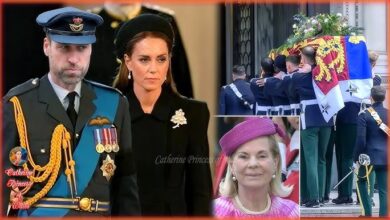
The Duchess Of Kent’s Funeral Details Revealed — A Historic First For The Royal Family
Buckingham Palace has set out the official arrangements for the funeral and burial of the Duchess of Kent, who passed away peacefully on September 4th at the age of 92, drawing the curtain on a royal life marked by faith, humility, and quiet trailblazing. The announcement confirms a farewell unlike any in modern royal memory—one that is both profoundly historic and deeply personal.
On Tuesday, September 16th at 2 p.m., the Duchess will be laid to rest following a Catholic Requiem Mass at Westminster Cathedral in London. The choice of venue is momentous. Since its consecration in 1903, the cathedral has never hosted a royal funeral. Indeed, this will be the first Catholic royal funeral since the 17th century, a symbolic departure from centuries of tradition within the monarchy, whose role as head of the Church of England has long shaped royal rites.
In keeping with her personal convictions, the Duchess’s coffin will rest first in the private chapel at Kensington Palace, a place of deep connection for her family. On Monday, September 15th, the coffin will be transferred to Westminster Cathedral, where the rite of reception and evening vespers will precede the full funeral service the next day.
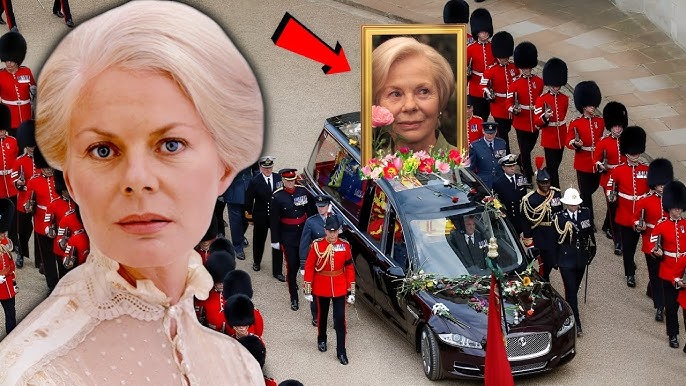
Buckingham Palace confirmed that King Charles III and Queen Camilla will lead mourners, accompanied by the Duke of Kent and the Duchess’s immediate family. Following the Mass, the coffin will travel by hearse to the Royal Burial Ground at Frogmore in Windsor, where she will be interred alongside other royals, including King Edward VII and Wallis Simpson, Duchess of Windsor. In a mark of national respect, flags will be flown at half-mast across all royal residences.




The service will be private and not televised—reflecting the Duchess’s personal wish for dignity and intimacy. Still, the gathering is expected to draw members of the extended royal family, representatives of her charities and regimental associations, and close friends. While King Charles and Queen Camilla’s attendance is confirmed, the presence of other senior royals, including the Prince and Princess of Wales, remains unconfirmed. Prince Harry, who has been in the UK for charitable engagements, has yet to announce whether he will stay to attend, a detail closely watched by both the press and public.
The Duchess of Kent—born Katharine Worsley in 1932—entered the royal family in 1961 when she married Prince Edward, Duke of Kent, a cousin of Queen Elizabeth II. In 1994, she made history by converting to Roman Catholicism, becoming the first senior royal to do so since the reign of James II in 1685. The decision, rooted in personal loss, ill health, and her search for spiritual guidance, was widely seen as courageous. “I like guidelines,” she once explained. “The Catholic Church offers you guidelines. I like to know what’s expected of me.”
Despite legal barriers under the Act of Settlement of 1701, which disqualified Catholics from the line of succession, Queen Elizabeth II supported Katharine’s decision, allowing her and the Duke to retain their titles and positions—an act of compassion and pragmatism that set a modern precedent.
Beyond her place in royal history, the Duchess was admired for her deep love of music and education. In 1996, she stepped back from formal royal duties to teach music at a primary school in Hull, a remarkable choice for a woman of her rank. Later, she founded Future Talent, a charity dedicated to supporting young musicians from disadvantaged backgrounds. Her work embodied humility and a commitment to opportunity.
Her private life was equally defined by both joy and sorrow. With the Duke of Kent, she had three children—George, Earl of St Andrews; Lady Helen Windsor; and Lord Nicholas Windsor. But she also endured miscarriages and the devastating stillbirth of a son, experiences she spoke about openly, which made her one of the most relatable figures within the royal family.
Her later years were spent largely out of the spotlight. By 2002, she had retired from public duties and no longer used the style of “Her Royal Highness,” yet she remained a respected, steady presence at family occasions and ceremonial events.
Now, in death, she leaves a legacy of quiet courage, personal conviction, and cultural change. By choosing Westminster Cathedral for her final farewell, the Duchess of Kent affirms the importance of her faith while also reshaping centuries-old expectations of what it means to be royal.
On September 16th, 2025, when the bells of Westminster Cathedral toll for the Duchess, it will not just mark the end of a long life. It will mark the making of history: the first Catholic royal funeral in modern times, a moment of solemnity that bridges past and present, tradition and transformation.