Duchess Of Kent’ Funeral Latest Update: Catherine William Attend Catholic Funeral In Centuries First
The United Kingdom has entered a period of solemn reflection as final tributes unfold for Catherine, Duchess of Kent, whose passing marks the end of an extraordinary chapter in modern royal history. With her death at the age of 92 on September 4th, the nation prepares to honor a woman whose quiet strength, compassion, and independence left an indelible mark on both the monarchy and the public she served.
On Monday, September 15th, her coffin arrived at Westminster Cathedral in London, where her historic funeral will take place on Tuesday, September 16th. The moment carried both intimacy and grandeur: members of the Kent family gathered for prayers, led by her devoted husband, Prince Edward, Duke of Kent, now 89. Walking arm-in-arm with his daughter, Lady Helen Taylor, the Duke was joined by Prince Michael of Kent, Lady Gabriella Kingston, Lord Frederick Windsor, and his wife Sophie Winkleman, as the family united in mourning.
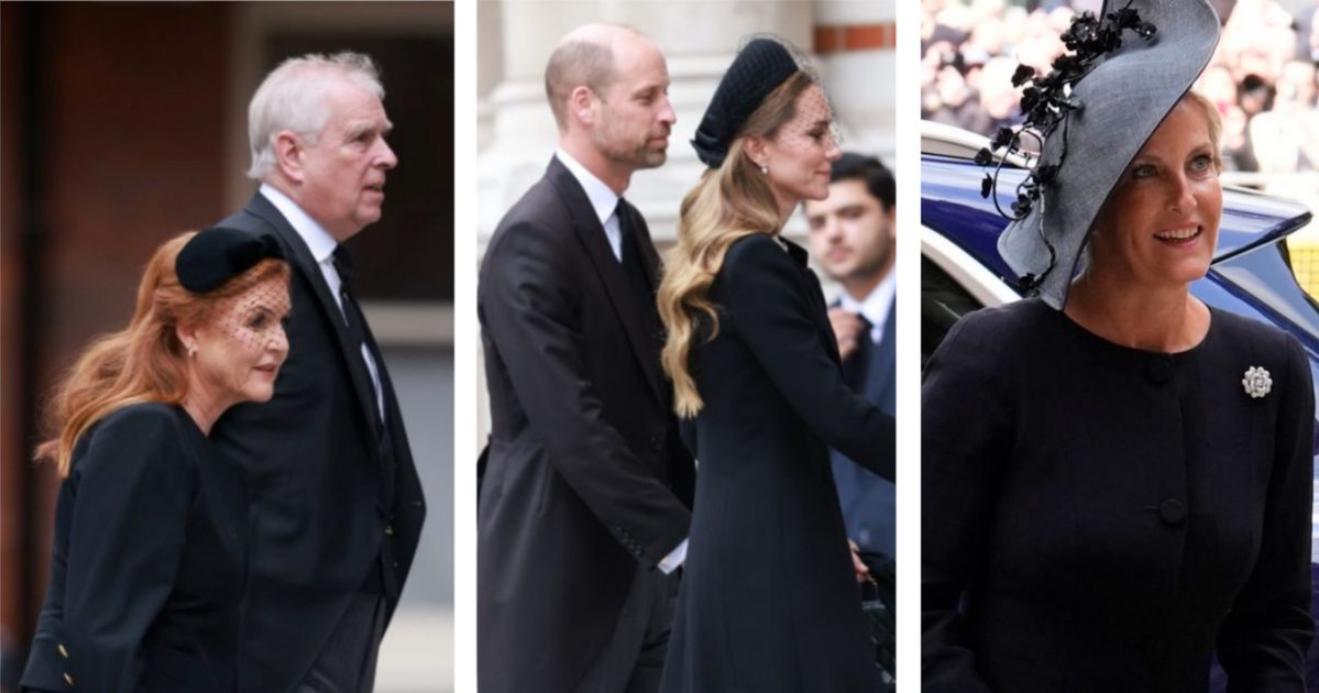
The following day’s Requiem Mass will bring together senior royals, including the Prince and Princess of Wales, in a rare gesture that highlights the significance of this farewell. Their presence not only pays respect to a beloved family member but also acknowledges the Duchess’s historic role as a figure who reshaped traditions of the monarchy in quiet yet profound ways.
Born into nobility, Catherine Worsley married the Duke of Kent in 1961, stepping into the royal spotlight with grace and humility. Over the decades, she became known as one of the most understated members of the royal family, favoring substance over ceremony. Her lifelong passion for charitable work, particularly in music education, defined much of her public service. Remarkably, she spent nearly a decade working secretly as a music teacher in Hull and other schools, determined to bring the joy of music to children regardless of their background. Her work inspired countless young people and earned her admiration far beyond royal circles.




What truly distinguished the Duchess was her personal spiritual journey. In 1994, she made the unprecedented decision to convert to Roman Catholicism, becoming the first royal to do so since King Charles II’s deathbed conversion in 1685. The choice was groundbreaking, reverberating through the press and the establishment. For Catherine, however, it was not about politics but conviction. Guided by her faith, she demonstrated extraordinary courage in living authentically, even while under the scrutiny of public life. Her upcoming funeral—the first Catholic funeral for a senior royal in modern British history—reflects this profound devotion.
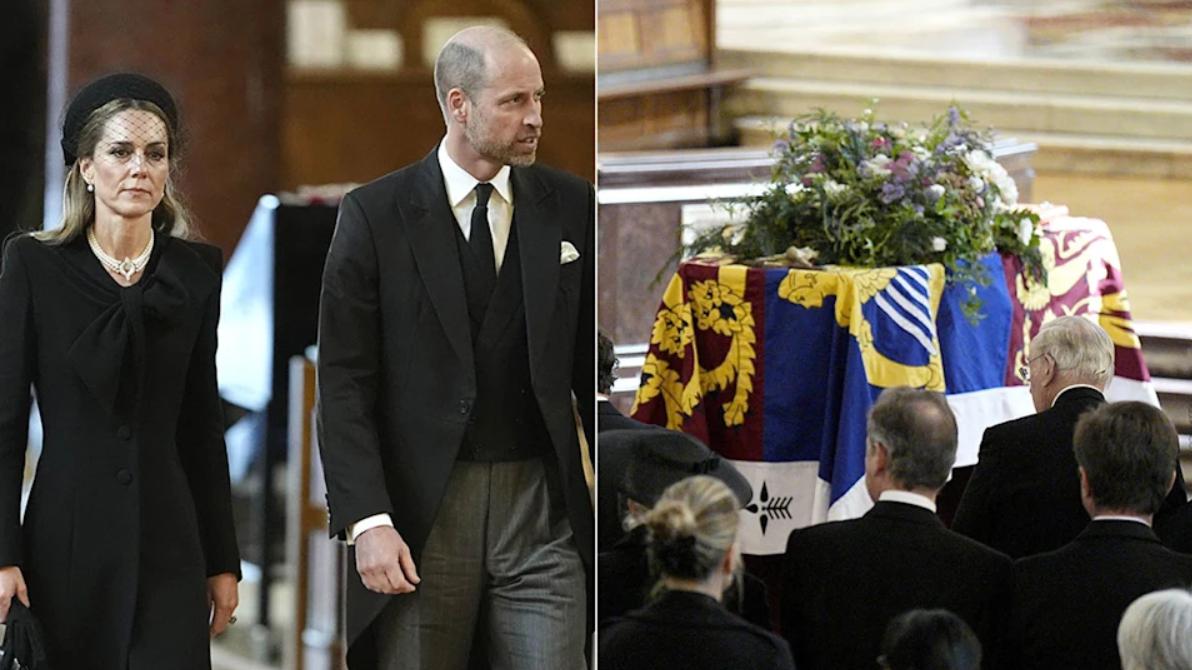
The service at Westminster Cathedral will itself be historic. The great Catholic church, completed in 1903, has never before hosted a royal funeral. The Mass will not only honor Catherine’s faith but will also include tributes to her military ties. Until her death, she held honorary positions with the Royal Dragoon Guards and the Royal Logistic Corps, both of which will be represented at the service. Members of these regiments will play a formal role in paying tribute, underscoring her longstanding support for Britain’s armed forces.
After the Mass, the Duchess’s coffin will be transported to the Royal Burial Ground at Frogmore in Windsor, where she will rest among generations of royals, including the Duke of Windsor and Wallis Simpson. The journey from cathedral to burial ground will be accompanied by solemn pageantry, as flags across royal residences, including Buckingham Palace and Windsor Castle, are lowered to half-mast.
Catherine’s passing comes at a time of unusual intensity for the monarchy, coinciding with preparations for the upcoming state visit of former US President Donald Trump and First Lady Melania Trump. Yet palace officials have been clear: the solemnity of the Duchess’s farewell will stand apart, ensuring her legacy is honored with the reverence it deserves.
For many, the Duchess of Kent will be remembered less for her titles and more for her human qualities: her compassion, humility, and unwavering sense of conviction. She defied centuries-old traditions not through grand gestures but through quiet acts of courage—whether stepping into classrooms to teach music in anonymity, or embracing a faith that spoke to her deepest values.
As Britain prepares to bid farewell, her funeral will serve not only as a moment of mourning but as a celebration of a remarkable life. Catherine, Duchess of Kent, leaves behind a legacy defined by courage, service, and faith—a reminder that history is often shaped as much by quiet defiance as by public grandeur. Her memory will endure in the lives she touched, the traditions she reshaped, and the grace with which she carried herself until the end.