Heartbreaking Moment: Catherine In Tears As She Honors The Duchess Of Kent’s Remarkable Life
The royal family has bid a solemn farewell to Catherine, Duchess of Kent, whose death at the age of 92 closed a remarkable life that blended tradition with quiet defiance. Her funeral, held at Westminster Cathedral, was rich with symbolism, personal tributes, and history-making moments, but it was the raw and visible emotion of Princess Catherine, the Princess of Wales, that captivated mourners and millions watching around the globe.
For much of the service, the Princess of Wales remained composed, her posture dignified and reflective. Yet when the choir sang a hymn cherished by the late Duchess, observers noticed her lowering her head, eyes glistening with tears. She discreetly reached for a handkerchief, a rare public glimpse of vulnerability from a future queen. At that moment, Prince William leaned gently toward her, resting his hand on her back—a wordless gesture of comfort that spoke volumes about both their bond as a couple and the collective grief of the royal family.
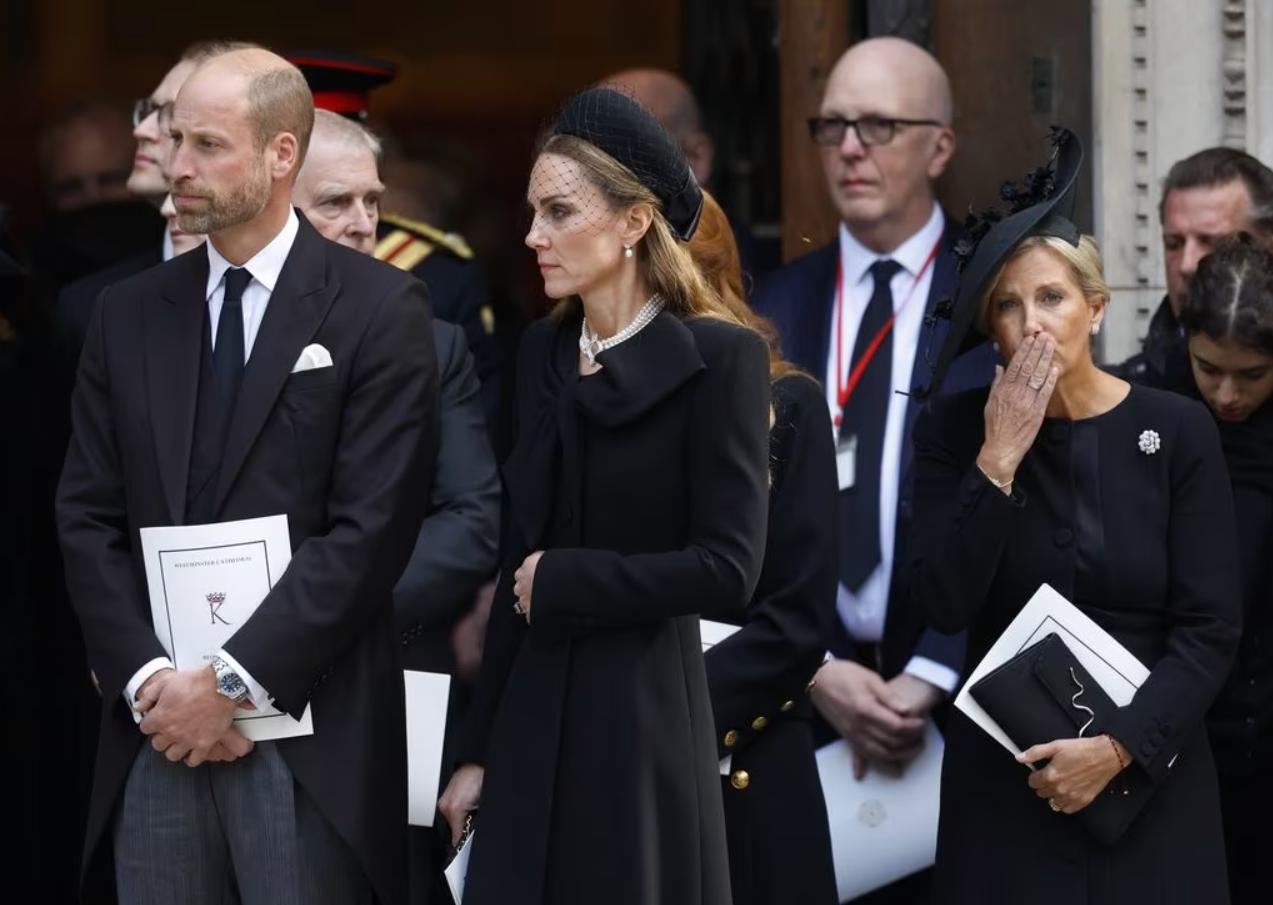
The service itself carried immense historical weight. For the first time in centuries, a reigning monarch—King Charles III—attended a Catholic Requiem Mass on British soil. This was a remarkable moment in the monarchy’s long history, particularly because the sovereign serves as Supreme Governor of the Church of England. The sight of the King seated within the great nave of Westminster Cathedral symbolized not just respect for a beloved cousin-in-law, but also a subtle recognition of the Duchess’s trailblazing faith.
Catherine, Duchess of Kent, was remembered not simply as the wife of Prince Edward, Duke of Kent, but as a figure defined by her humility, compassion, and unwavering service. Her legacy intertwined with the personal lives of the Prince and Princess of Wales in poignant ways. Both she and Princess Catherine shared a deep affection for Wimbledon, where the Duchess became one of the most recognizable and beloved royal figures. For decades, she presented trophies on Centre Court, earning admiration for her warmth—especially when she comforted tearful losing finalists with hugs. One of the most unforgettable images came in 1994, when she attended Wimbledon with Princess Diana and a young Prince William, a moment etched into royal memory.




That legacy has been carried forward by the Princess of Wales, who now serves as patron of the All England Lawn Tennis and Croquet Club. Like the Duchess before her, she has become a fixture on Centre Court, presenting trophies to champions and consoling players with genuine warmth. In this role, Catherine has not only continued the Duchess’s tradition but also reaffirmed the enduring connection between past and present in the royal family.
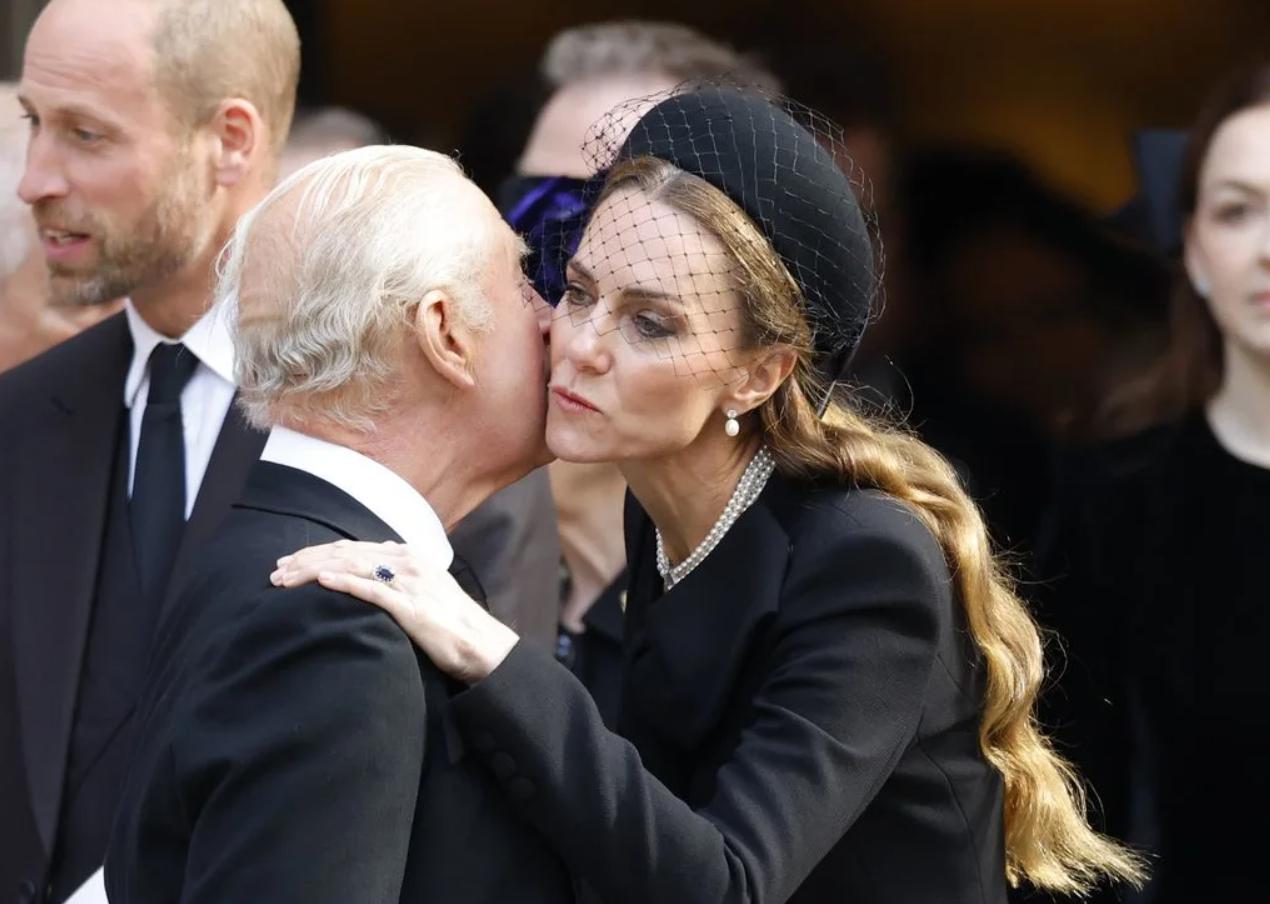
The Duchess of Kent’s quiet support of William and Catherine extended beyond Wimbledon. She attended their 2011 wedding at Westminster Abbey, a symbolic reminder of her enduring role within the royal fold. Her presence at these milestones reflected her lifelong commitment to family, faith, and service—values she lived by rather than spoke of.
Her conversion to Catholicism in 1994 was one of the most defining choices of her life, breaking with centuries of precedent. It was an act of profound personal conviction, given the monarchy’s Protestant foundation under the Act of Settlement of 1701. While controversial at the time, her conversion ultimately cemented her reputation as a woman of independence, guided more by conscience than convention. It was fitting, then, that her funeral became the first royal service ever held at Westminster Cathedral since its completion in 1903.
The service blended tradition with heartfelt tributes. Members of the Duchess’s family, along with representatives of her military regiments and charitable foundations, spoke of her devotion. She had long championed music education, often working behind the scenes. Remarkably, she spent more than a decade secretly teaching in schools, determined to give children the joy of music without the trappings of her royal title. This choice to serve quietly, rather than seek recognition, became the essence of her legacy.
After the Requiem Mass, the Duchess’s coffin was borne to the Royal Burial Ground at Frogmore, Windsor, where she now rests alongside generations of royals, including the Duke of Windsor and Wallis Simpson. The peaceful setting, tucked within the historic grounds, provides a fitting resting place for a woman who bridged tradition with personal rebellion.
Across Britain, flags at royal residences were lowered to half-mast. From Buckingham Palace to Windsor Castle, the gesture reflected both national mourning and gratitude for a life lived with humility, courage, and grace.
In the end, the funeral was not just a farewell, but a reminder of how one woman, with quiet conviction, reshaped the expectations of what it meant to be royal. Through her faith, her service, and her humanity, the Duchess of Kent left behind a legacy that resonated powerfully with Princess Catherine’s own public grief—a bridge between generations, and a testament to the enduring strength of compassion within the monarchy.