WALESES REVENGE! Kensington Palace Finally DEFENDS After Prince Harry’s SECRET Visit In UK
Today’s story blends ceremony, family, and emotion in ways that few royal narratives ever do. At its heart lies King Charles III, who continues to confront serious health challenges with remarkable resolve, and his youngest son, Prince Harry, whose latest return to the UK has reignited conversations about reconciliation, rivalry, and the fragile threads that hold Britain’s most famous family together.
Harry’s visits to Britain in recent years have often been brief, transactional affairs — a court case, a fleeting public appearance, then a swift flight back to California. But this time was different. His return carried something of a campaign quality: an effort not only to reconnect with his homeland but also to remind the public of his charm and accessibility. In the span of just 48 hours, Harry and William were both seen undertaking public engagements, a subtle but unmistakable parallel that royal watchers were quick to frame as a duel of charisma. Windsor, Nottingham, Berkshire, Lambeth — the geography itself told a story of brothers competing for influence on home soil.
The timing was delicate. King Charles, already under immense pressure as he undergoes treatment, had allowed for a private meeting with Harry — but only under strict conditions. No leaks, no interviews, no palace sources whispering to the press. For Charles, trust is now the currency of reconciliation, and he has been burned before. Harry, for his part, reportedly agreed, instructing his team to stay silent. It was a fragile truce, but for a monarch facing both illness and the heavy responsibility of kingship, even a small assurance carried weight.
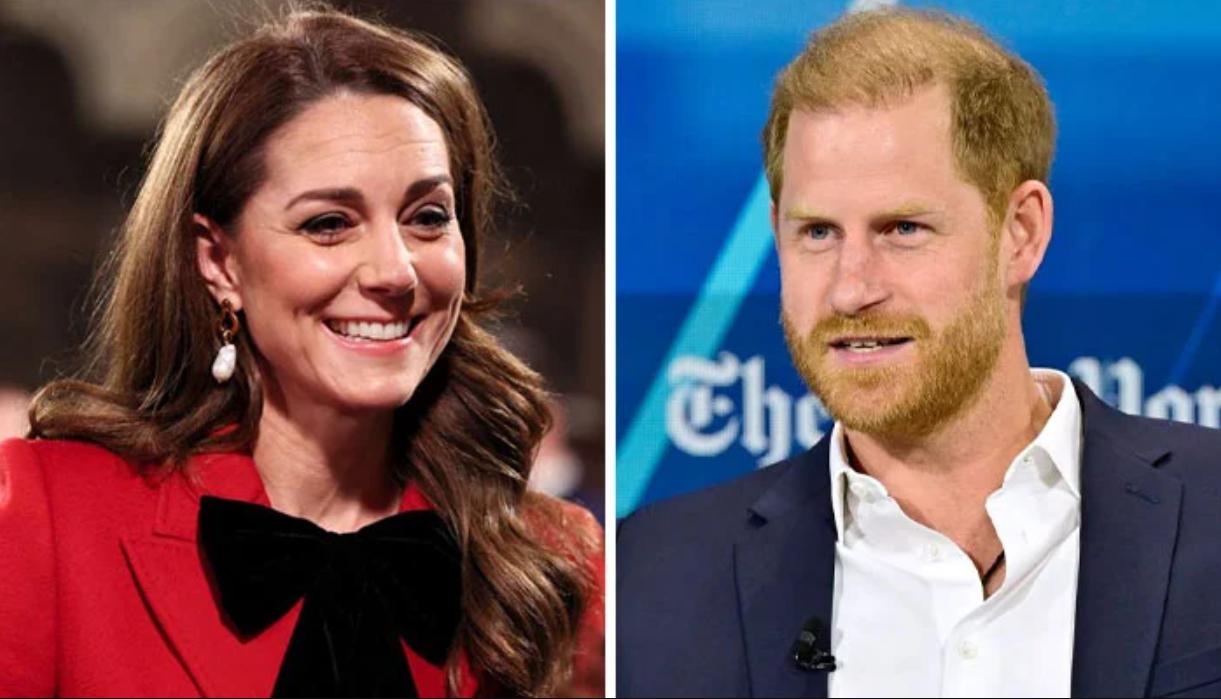
Yet while Harry sought to project warmth and openness, palace insiders described the overall atmosphere as tense. The king’s recent address on the US-UK relationship, delivered with characteristic gravitas, conspicuously omitted any reference to Harry, Meghan, or their children. For many, the absence felt intentional — a statement in itself. Where Prince William was praised openly, Harry’s name did not pass his father’s lips. And then came the moment that stung most sharply: the visiting American president publicly lauded William as a “remarkable son,” thanking Charles for raising him. The silence around Harry spoke louder than any words.



It is in these silences and omissions that the drama of the royal family so often unfolds. To the outside world, they may appear as minor details. To those within the palace, they are seismic. For Harry, watching from across the Atlantic, the sting of being overlooked is familiar. His frustration, friends say, remains raw — and in California, Meghan is said to be drafting her own reflections in carefully crafted words, perhaps destined for Instagram captions about seasons, renewal, or resilience.
And yet, amid the tensions, there are glimpses of something more hopeful. Harry’s decision not to publicly criticize his family during this visit — despite his history of candor — may signal a recognition of the gravity of the moment. With Charles’s health uncertain, Harry appears to understand that this is no time for explosive revelations or public feuds. His tell-all memoir Spare, released in early 2023, remains a wound still healing. The book’s frank assessments of William, Catherine, and Camilla have not been forgotten within the palace walls. But Harry’s tone now seems more measured, his focus shifting to shared memories, his charitable work, and cautious gestures of goodwill.
The contrast is striking: a son once defined by rebellion now appearing as a man caught between two worlds. In America, he has sought freedom, financial independence, and a life on his own terms. In Britain, his roots, his lineage, and the bond with his ailing father still tug at him with undeniable force. The public, too, is divided. Some see Harry’s efforts as sincere, an olive branch extended. Others regard them as strategic, a charm offensive designed to win back favor in a country where his approval ratings remain painfully low.
For King Charles, the challenge is doubly difficult. He must manage the demands of state — maintaining alliances, addressing his people, projecting stability — all while navigating the private turbulence of a family that has become, in many ways, its own fractured institution. At a moment when his health is itself the subject of global scrutiny, these personal dramas only heighten the burden.
And so, this chapter of the royal story is written in contrasts: hope and disappointment, openness and omission, rivalry and reconciliation. What emerges is not a tale of crowns and courts alone, but of something profoundly human. A father and son searching for trust. Brothers caught in the cold grip of rivalry. A family, for all its titles and traditions, wrestling with the same universal questions of love, loyalty, and forgiveness that touch every home.
For Britain, for the Commonwealth, and for royal watchers worldwide, the question now is not simply whether Harry can repair his relationship with his father or brother, but whether the monarchy itself can adapt to the emotional complexities of a new era. The palace may remain a symbol of continuity, but its inhabitants are flesh and blood, bound by ties as fragile and fallible as any of ours.
And in that truth lies the poignancy of this moment. Amid illness, ambition, and estrangement, the story of King Charles and Prince Harry is no longer just about royalty. It is about the enduring struggle to reconcile duty with love, and tradition with the longing for connection.