“Charles ABDICATES?! Prince William Just CROWNED After Camilla’s BIGGEST Betrayal EXPOSED”
Charles ABDICATES?! Prince William Just CROWNED After Camilla’s BIGGEST Betrayal EXPOSED
The Palace of Mirrors: Sorting Fact from Fiction in the Latest Royal “Abdication” Rumors
The British monarchy has long been a lightning rod for speculation, but recent weeks have seen a surge in sensationalized narratives that seem ripped from the pages of a high-stakes political thriller. From claims of abrupt royal abdications to dramatic conspiracies involving forged medical records and illicit international schemes, the internet is currently awash with stories that challenge the boundaries of reality.
For the casual observer, parsing these viral claims can be difficult. While the House of Windsor is no stranger to genuine institutional challenges—such as the recent, well-documented fallout surrounding Prince Andrew or the public’s ongoing interest in the family’s health—the recent narratives regarding King Charles III, Queen Camilla, and the Prince and Princess of Wales are, in point of fact, entirely fictional.
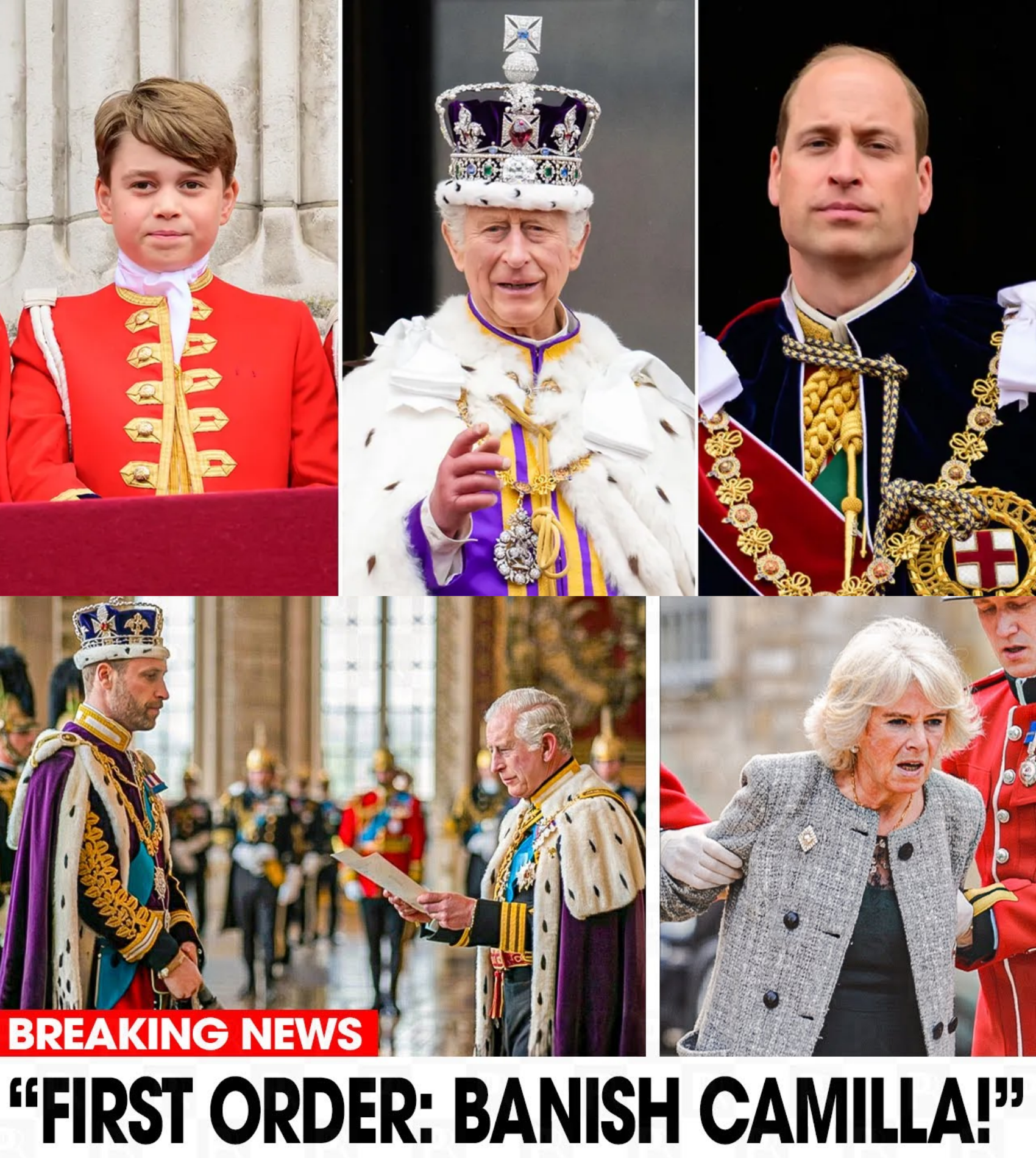
The Anatomy of a Digital Fabrication
The recent wave of videos and articles claiming that King Charles III has abdicated his throne, stripped Queen Camilla of her titles, or uncovered a vast, internal conspiracy are part of an emerging trend in online media: the “alternative royal narrative.”
These stories often follow a rigid, dramatic formula. They begin with a “bombshell” announcement, utilize “leaked” (but nonexistent) evidence, and culminate in a radical restructuring of the monarchy. They are carefully constructed to mirror the gravitas of legitimate reporting, using language like “exclusive insight,” “investigative scripts,” and “palace insiders” to build a veneer of credibility.


However, a quick review of the facts reveals these claims to be baseless. As of May 2026, King Charles III remains the reigning monarch of the United Kingdom and the Commonwealth. There has been no announcement of abdication, no stripping of titles, and no evidence of the cinematic, clandestine “investigations” into medical records or DNA tests depicted in these sensationalized accounts.
Wikipedia+ 1
Why Do These Stories Persist?
The enduring fascination with the British Royal Family is a double-edged sword. While it keeps the institution in the public eye, it also creates a lucrative market for misinformation. The “abdication” narrative is a particularly potent trope, echoing the historical drama of 1936 when Edward VIII stepped down. By tapping into this well-known historical anxiety, content creators can generate massive engagement through curiosity and shock.
YouTube
These stories thrive on:
The “Insider” Appeal: By framing themselves as conduits for “buried truths,” these creators appeal to the reader’s desire to see behind the gilded curtain of Buckingham Palace.
Hyperbolic Framing: Using words like “shattered,” “devastating,” “reckoning,” and “conspiracy” turns everyday royal life into a soap opera, keeping the audience hooked through emotional intensity rather than factual accuracy.
Exploiting Real Contexts: These creators often weave real-world elements—such as the King’s public battle with cancer—into their fabrications. By anchoring their fiction to real, verifiable events, they make the broader, entirely false narrative feel more plausible to the unsuspecting reader.
A Reality Check: The State of the Monarchy in 2026
While the digital rumors are works of fiction, the actual state of the monarchy in 2026 is one of quiet transition and adaptation. The institution is, as it has always been, navigating the complexities of a modern world.
The King has indeed faced significant health challenges, and as is standard practice, royal duties are managed through a system of delegation. The Prince of Wales continues to take on an increasingly prominent role, a natural evolution for an heir apparent. These adjustments are matters of constitutional procedure and strategic management, not the product of palace intrigue or “coups” orchestrated from within the royal household.
Boatos.org+ 1
For those following royal news, it is crucial to distinguish between official reports and the “entertainment-only” content that clutters social media platforms. Most of the viral videos currently circulating regarding the monarchy carry disclaimers—often hidden at the very end of long descriptions—stating that their content is “intended solely for entertainment purposes” and that viewers should “not interpret any part of the content as factual or definitive information.”
YouTube
The Responsibility of the Reader
In an era of deepfakes and algorithmic misinformation, the responsibility of the media consumer has never been greater. When a headline seems designed to shock rather than inform, a simple check of reliable, established news organizations—such as the BBC, Reuters, or the Associated Press—is the best defense against being misled.
The monarchy remains a symbol of continuity for the United Kingdom. Its strength lies in its ability to adapt to the times while maintaining its core traditions. While the drama created in the digital sphere may be more “exciting” than reality, it is, in the end, nothing more than a fiction—a mirror held up to the public’s own fascination with power,, legacy, and the enigmatic lives of those who inhabit the world’s most famous palace.
Marie Claire
As for the “shattering” secrets and the “definitive” evidence of betrayal described in these viral narratives, they exist only in the imaginative minds of their authors. The real story of the House of Windsor is one of gradual change and institutional endurance, playing out not in secret phone calls at midnight, but in the slow, steady march of history.