Catherine Dazzled In Black Diane von Furstenberg Coat And A Gifted to the late Queen in 1947
Catherine, Princess of Wales, has evolved over the past decade into one of the most recognizable and influential public figures of the British royal family.
From her wedding day in 2011 to her more recent appearances in 2024, she has consistently demonstrated how fashion, symbolism, and personal resilience can be woven together to create a modern image of monarchy.
Her marriage to Prince William in April 2011 was the global introduction to her role as a royal consort.
The lace gown by Sarah Burton for Alexander McQueen, elegant and modest, became one of the most iconic bridal looks of the century.
Paired with the Cartier halo tiara loaned by Queen Elizabeth II, the ensemble immediately positioned her as a figure who respected heritage but embraced modernity.
The understated diamond earrings reflected the tone she would continue to set throughout her career — a balance of grandeur with relatability.
By November 2011, Catherine had already begun to establish her voice in fashion diplomacy.
At the Remembrance Sunday service, she appeared in a black Diane von Fürstenberg coat.
Her look was solemn and respectful, but what captured attention was her jewelry.
The Bahrain diamond and pearl drop earrings, gifted to the Queen in 1947 and passed down to Catherine, offered a connection across generations.
Choosing them for a commemoration of the fallen was deeply symbolic.
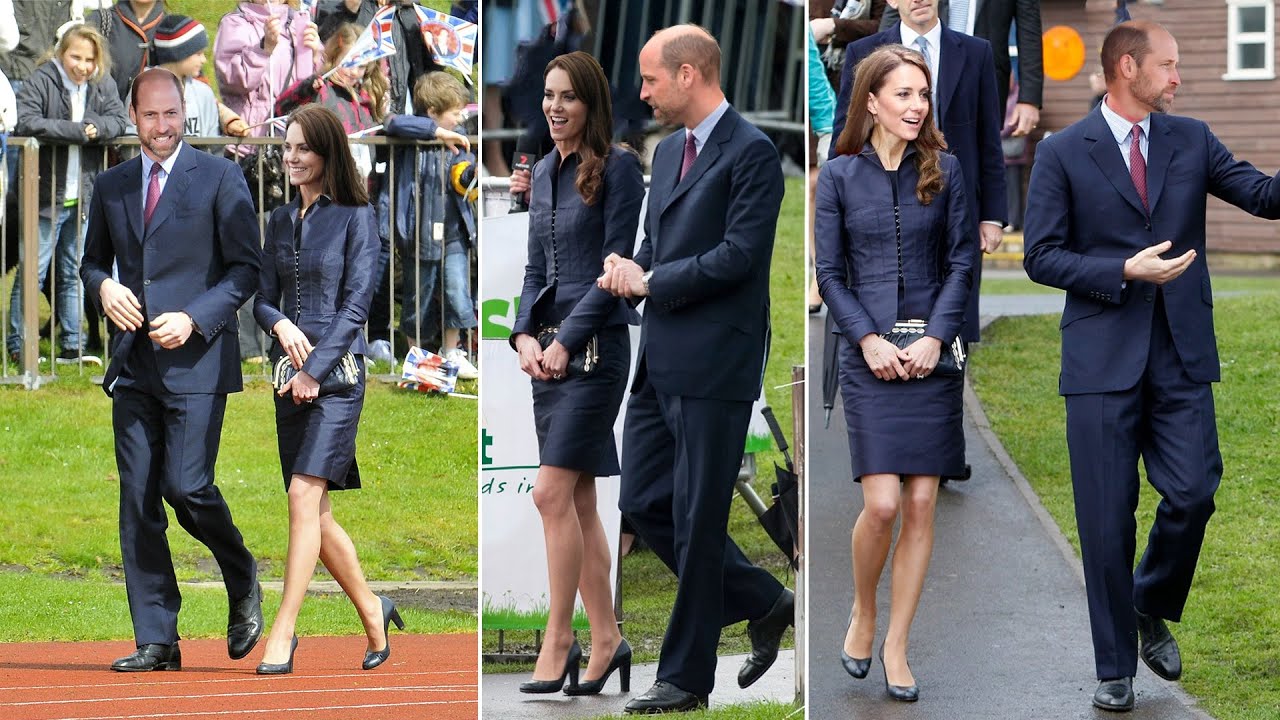




The Diamond Jubilee celebrations in 2012 saw her in a striking red Alexander McQueen dress, projecting strength and festivity while celebrating Elizabeth II’s historic reign.
Later, in Pakistan in 2019, her wardrobe reached new levels of cultural diplomacy.
Wearing a shimmering emerald Jenny Packham gown with intricate detailing, Catherine aligned herself with local traditions while maintaining a distinctly royal presence.
By 2022, as the monarchy entered a period of transition, Catherine’s fashion choices carried heightened weight.
At Queen Elizabeth II’s Platinum Jubilee, she wore a crisp white Alexander McQueen coat paired with a Philip Treacy hat and sapphire jewelry once belonging to Princess Diana.
Standing on the Buckingham Palace balcony with her children, she embodied continuity — the heritage of Diana, the memory of Elizabeth II, and the promise of the next generation, all converging in one visual narrative.
In the following year, her style became increasingly assertive.
At the Rugby World Cup in France in 2023, she wore a sharp Alexander McQueen blazer with matching trousers, choosing pearl earrings to soften the look.
This embrace of tailored suits was a notable departure from her earlier preference for dresses and coats, reflecting a shift towards authority and professionalism.
Perhaps the most defining moment of her recent years came in March 2024, when Catherine addressed the nation from the gardens of Windsor to share her cancer diagnosis.
Wearing a striped sweater, her hair styled simply, and with only pearl studs for jewelry, she offered the world an image of honesty, vulnerability, and courage.
Across these years, several themes emerge.
Jewelry has been one of her strongest tools for continuity.
Whether wearing Diana’s sapphires, Elizabeth II’s pearls, or heirlooms like the Bahrain earrings, she has also used color deliberately: red for authority, white for continuity, navy for solemnity, and emerald for cultural diplomacy.
Every appearance, from banquets to sports events, has become an act of storytelling designed to communicate messages of unity, respect, and adaptability.
In conclusion, Catherine, Princess of Wales, has mastered the art of merging fashion with meaning, creating a public identity that is both timeless and forward-looking.
From the grandeur of her McQueen wedding gown to the quiet strength of her Windsor video, her wardrobe reflects more than personal taste — it reflects duty, heritage, and modern leadership.
As she continues to step into her role at the heart of the monarchy, her elegance will remain more than aesthetic.
It will remain a strategic language that connects the British royal family to its past, its people, and the world beyond.