No Mercy! King Charles Releases Garter Letter, Strips Camilla of Order of the Garter Position
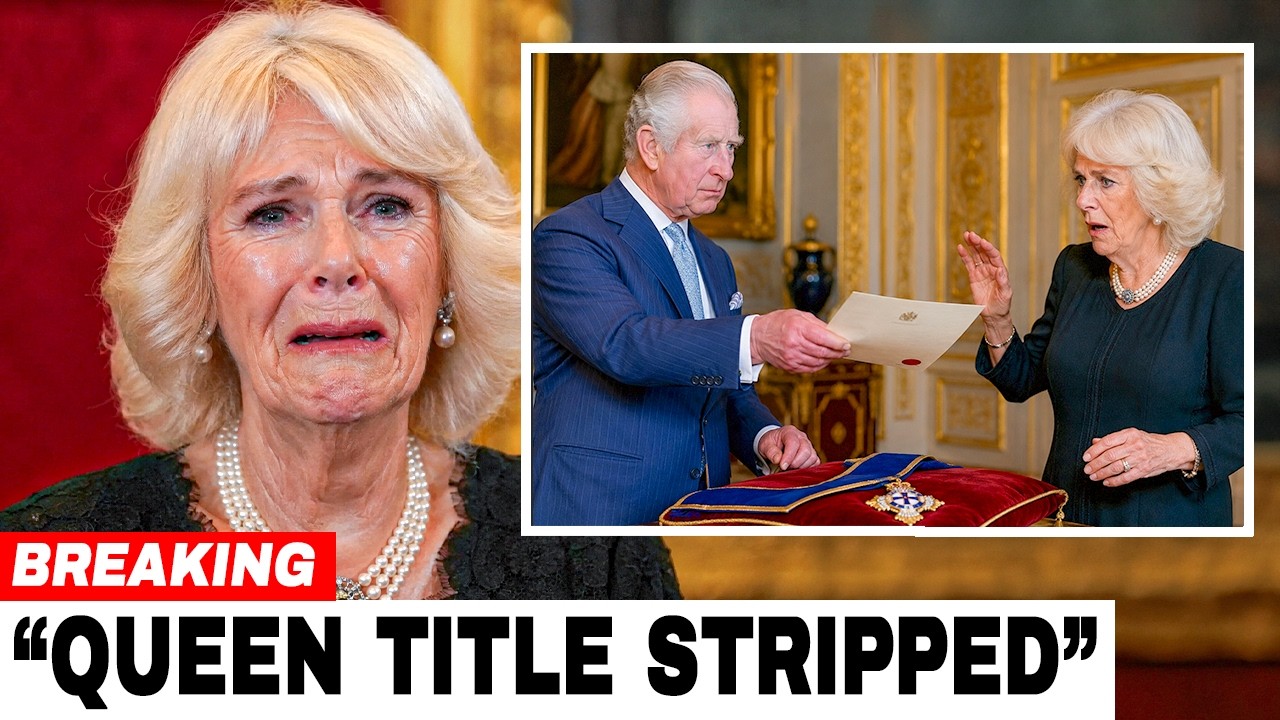
In the early hours of a seemingly ordinary day, Buckingham Palace received a sealed crimson envelope, delivered under extraordinary security. The contents, reviewed personally by King Charles III, would soon trigger what insiders have described as a constitutional and emotional storm within the House of Windsor. The envelope, allegedly tied to ceremonial privileges within the Order of the Garter, thrust Queen Camila into an unprecedented crisis, reshaping perceptions of loyalty, authority, and legacy at the highest levels of the monarchy .
The Arrival of the Crimson Envelope
The timing of the envelope was significant. It arrived just before sunrise through a private palace entrance reserved for matters of exceptional sensitivity. Courtiers reportedly fell silent, sensing the weight of the document. Staff observed an immediate shift in the palace atmosphere: meetings were canceled, security routines altered, and senior aides moved with unusual urgency. The nature of the envelope’s contents suggested a confidential garter review, examining Queen Camila’s ceremonial standing within one of the oldest and most sacred orders of British nobility .
The Order of the Garter, founded in 1348 by King Edward III, represents more than ceremonial prestige. Membership signifies trust, loyalty, and an implicit understanding of the responsibilities inherent in protecting the Crown. To be scrutinized within this institution is not merely politically challenging; it carries emotional and symbolic consequences that resonate throughout royal culture.
Institutional Tensions and Palace Dynamics
Within palace corridors, the envelope’s arrival reportedly intensified existing tensions. King Charles, already burdened by health challenges and the pressures of maintaining Queen Elizabeth II’s legacy, faced difficult decisions regarding ceremonial influence and access. Whispers suggested that competing factions were vying for greater control over royal operations, with some insiders interpreting Queen Camila’s expanding visibility as a challenge to established hierarchies.




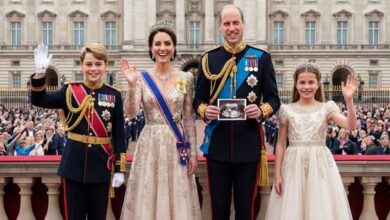
Simultaneously, Prince William and Princess Catherine increased their public presence beside the king, projecting unity, continuity, and stability. This shift reinforced perceptions that the monarchy was consolidating power around the future heirs, subtly counterbalancing Queen Camila’s growing influence. Such adjustments, while outwardly inconspicuous, carried significant symbolic weight within the palace, influencing both perception and internal authority structures .
The Order of the Garter and Ceremonial Symbolism
Membership and standing within the Order of the Garter have long been central to the monarchy’s internal structure. Every invitation, ceremonial placement, and procession is codified with meaning, signaling loyalty, hierarchy, and institutional alignment. The alleged review of Camila’s privileges indicated that subtle shifts in ceremonial protocol could serve as both a strategic and symbolic tool for managing influence within the royal family.
According to royal historians, even minor adjustments in protocol can reverberate throughout the House of Windsor, affecting relationships, alliances, and perceived legitimacy. Queen Camila’s reported diminished standing following the review exemplifies how ceremonial structures function as both symbols of honor and instruments of internal control.
Princess Anne and Institutional Enforcement
Amid the crisis, Princess Anne reportedly played a pivotal role in preserving institutional integrity. Long regarded as the monarchy’s enforcer of protocol and discipline, Anne’s interventions were described as deliberate and methodical, designed to reinforce boundaries, uphold tradition, and prevent internal fractures from escalating. Her strategic oversight ensured that ceremonial structures and institutional norms were preserved, even as tensions surrounding Camila intensified .
Anne’s approach reflects the broader philosophy of monarchy as an institution: survival depends not on individual ambition but on adherence to discipline, hierarchy, and procedural authority. Her vigilance helped prevent personal disputes from undermining the monarchy’s structural stability.
Prince William and Princess Catherine: Projected Stability
Prince William and Princess Catherine emerged as central figures in reinforcing the monarchy’s future direction. Their coordinated public appearances, especially beside King Charles during major engagements, projected an image of calm continuity. Behind the scenes, William allegedly strengthened alliances with traditionalist courtiers, balancing respect for his father with a focus on long-term institutional stability. Catherine’s composed presence contributed to the perception of unity, reinforcing public confidence in the monarchy’s resilience during a period of internal uncertainty .
The alignment of William and Catherine with institutional priorities illustrates a generational shift: authority is increasingly defined by strategic presence, disciplined decision-making, and the maintenance of public trust, rather than purely ceremonial or familial considerations.
Prince Edward and the Reinforcement of Tradition
Prince Edward, alongside Princess Anne, reportedly supported the stabilization efforts behind the scenes. By reinforcing coordination across legal, ceremonial, and advisory channels, Edward contributed to an internal firewall protecting the monarchy’s hierarchy. Their combined actions ensured that the Garter review’s consequences were managed effectively, preventing potential disruptions from cascading into public crises.
This coalition, informally termed by insiders as the “heirs accord,” represented a strategic alliance aimed at safeguarding continuity. Operating without formal announcement, the accord functioned through silent discipline, procedural oversight, and coordinated enforcement of institutional norms.
The Impact on Queen Camila
For Queen Camila, the Garter letter represented more than administrative adjustment; it symbolized a recalibration of influence. Public appearances, ceremonial visibility, and access to sensitive functions reportedly diminished, leading to a subtle but profound isolation within the royal hierarchy. Insiders describe her position as increasingly constrained, reflecting the monarchy’s prioritization of legacy and institutional integrity over personal loyalty.
The emotional impact of this shift cannot be understated. Camila’s decades-long efforts to support King Charles and maintain her role within the monarchy were met with procedural distancing, highlighting the delicate balance between personal relationships and the preservation of institutional authority.
The Strategic Mechanics of the Garter Letter
The Garter letter itself, delivered with strict adherence to royal protocol, exemplifies the monarchy’s preference for procedural enforcement over public confrontation. By utilizing administrative mechanisms, symbolic distancing, and controlled messaging, the institution effectively communicated its decision without direct conflict. This approach maintains the monarchy’s dignity while signaling the consequences of overreach or deviation from established norms.
Such methods underscore the monarchy’s capacity to resolve internal disputes quietly, using centuries-old procedures to reinforce hierarchy, loyalty, and continuity. The Garter letter, while seemingly a ceremonial matter, became a mechanism for institutional consolidation and strategic recalibration.
The Broader Implications for the House of Windsor
The crisis surrounding the Garter privileges had cascading effects throughout the royal family. Courtiers reportedly adjusted seating, invitations, and access policies to align with the new hierarchy. Figures previously associated with Camila’s expanding influence gradually found themselves excluded from sensitive discussions. These shifts illustrate the monarchy’s reliance on symbolic and procedural control to manage internal power dynamics.
Moreover, the situation reinforced the principle that personal relationships are subordinate to institutional survival. King Charles III, despite personal loyalty to Camila, prioritized the continuity and stability of the monarchy, demonstrating the precedence of duty over affection within the House of Windsor.
Institutional Preservation and the “Heirs Accord”
The coordination among William, Catherine, Anne, and Edward exemplifies the strategic consolidation of power around the future heirs. Known internally as the “heirs accord,” this coalition operates silently to enforce discipline, protect ceremonial integrity, and maintain continuity. By projecting unity and restraint publicly, while coordinating rigorously behind the scenes, the accord ensures that internal conflicts do not undermine public perception or institutional stability.
Insiders emphasize that this model of governance relies on consistency, procedural authority, and emotional discipline. By prioritizing the institution over individual ambitions, the monarchy demonstrates resilience against both internal fractures and external scrutiny.
Lessons from the Garter Crisis
The Garter letter crisis offers insights into the operational philosophy of modern monarchy:
- Procedural Control: Decisions are executed through established administrative channels rather than overt confrontation, reinforcing authority and minimizing public spectacle.
- Symbolic Management: Ceremonial positions, invitations, and appearances serve as instruments for signaling hierarchy and consolidating influence.
- Generational Transition: The focus on William and Catherine underscores the importance of preparing heirs to maintain stability and continuity.
- Institutional Loyalty Over Personal Affection: Even long-standing personal relationships are secondary to preserving the monarchy’s integrity.
- Quiet Enforcement: Discipline and procedural enforcement can be more effective than public declarations or confrontation in maintaining hierarchical stability.
Conclusion
The Garter letter controversy marked a defining moment in the House of Windsor, illustrating the complex interplay between personal loyalty, ceremonial authority, and institutional preservation. Queen Camila’s diminished influence, the consolidation of power among William, Catherine, Anne, and Edward, and the strategic execution of procedural authority reflect a monarchy deeply committed to survival through discipline, hierarchy, and continuity.
As the royal family navigates an era of health concerns, generational transition, and public scrutiny, the lessons from the Garter crisis underscore the enduring principle that the institution—its legacy, hierarchy, and ceremonial integrity—takes precedence over individual ambitions or relationships. The House of Windsor, according to palace insiders, emerged from the crisis stronger, more disciplined, and more unified, demonstrating that survival in a centuries-old monarchy depends not on popularity or emotion, but on careful management of influence, loyalty, and institutional legacy .