OMG! Prince William DEFIES King Charles & BREAKS SILENCE On Harry’s Secret Deal With Royal Family
Behind the gilded walls of Buckingham Palace, where protocol often cloaks raw human emotion, a pact was whispered into existence—not sealed by paper or ink, but by the intangible forces of loyalty, ambition, and survival. This clandestine agreement, forged between King Charles III and his heir, Prince William, could alter the trajectory of the monarchy at a time when tradition faces its fiercest storms. The deal, if it exists as insiders suggest, is less about ceremony and more about ensuring the continuity of an institution balancing on the fragile edge between reverence and irrelevance.
At the core of this intrigue lies the monarchy’s most pressing dilemma: unity or fracture? Publicly, the image projected remains one of poise and permanence. Privately, fissures have deepened into fault lines—none more glaring than the estrangement between Prince William and his younger brother, Prince Harry. Reports from palace corridors suggest that while Charles and William share an unbreakable bond as monarch and heir, their strategies for handling Harry diverge sharply, creating a silent tension that mirrors the brothers’ public rift.
The Peace Summit That Changed Nothing
Earlier this year, whispers surfaced of a so-called peace summit, a discreet gathering of senior aides for King Charles and Prince Harry at a private members’ club in London. The meeting, shrouded in secrecy, marked the first tentative move toward bridging years of acrimony. Yet, its success—or failure—remains ambiguous. Crucially, Prince William and his team were absent. Whether their absence was due to lack of invitation or deliberate refusal remains uncertain, but the optics were telling.
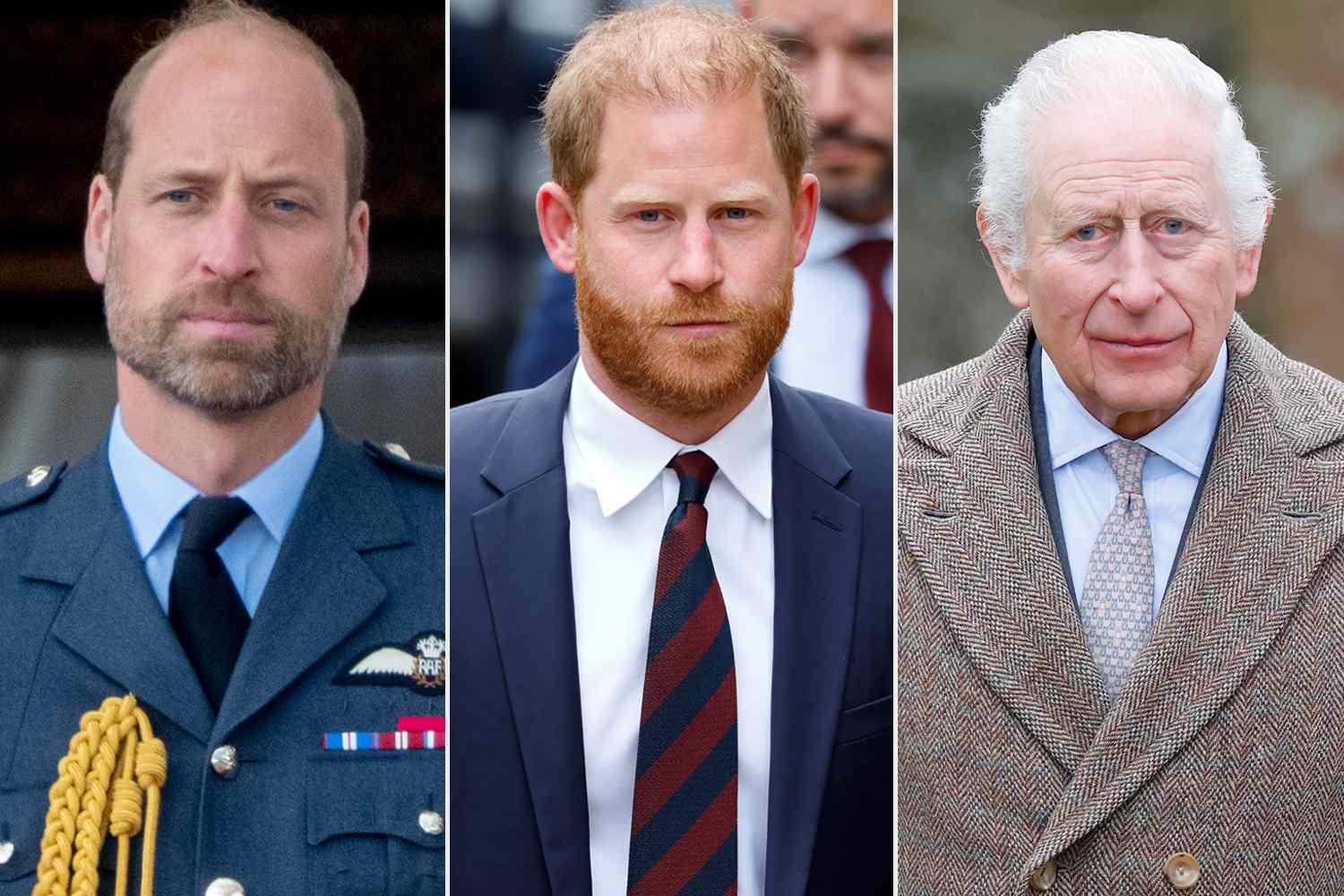
When William reportedly discovered the summit through the weekend papers, insiders claim his reaction was one of measured fury. For the future king, exclusion from any reconciliation effort underscores a truth he cannot ignore: lasting peace within the royal family cannot exist without his involvement. And yet, William’s stance is resolute—he views Harry’s actions as an unforgivable breach of trust, a betrayal that cuts deeper than public opinion can measure.



The Emotional Undercurrent: A Tale of Two Brothers
To understand the depth of this schism, one must revisit the trauma that bound—and later divided—the princes: the devastating loss of Princess Diana. Harry, just 12 when his mother died, has carried wounds that were never fully healed. His critics dismiss his grievances as bitterness, but royal observers note that much of his anger stems from unprocessed grief and a sense of abandonment. His memoir and interviews revealed these scars to the world, igniting sympathy from some and outrage from others.
In stark contrast, William’s path diverged. Faced with the same tragedy, he found strength and stability in Princess Catherine, who became his anchor amid the chaos of royal life. Where Harry looked backward, nursing old wounds, William looked forward, crafting a life rooted in duty, family, and quiet resilience. This divergence in coping mechanisms explains why their lives, once parallel, now orbit in distant spheres.
Catherine vs. Meghan: A Study in Influence
The narrative of the brothers cannot be told without acknowledging the roles of their wives. Catherine, Princess of Wales, is widely praised for her calm presence and unyielding sense of duty, qualities that have solidified her role as both William’s confidante and a stabilizing force within the monarchy. In contrast, Meghan, Duchess of Sussex, is cast by critics as a catalyst—reopening wounds Harry might otherwise have managed. While supporters hail Meghan for championing independence and authenticity, detractors argue that her influence deepened Harry’s estrangement, steering him toward confrontation rather than reconciliation.
The couple’s decision to step back from royal duties in 2020—and their subsequent move to California—was framed as liberation. Yet, their continuing fixation on grievances, through interviews and legal challenges, suggests that true closure remains elusive. This persistent backward gaze, royal insiders argue, is what keeps Harry emotionally tethered to a family he publicly renounced.
King Charles: A Monarch Torn Between Love and Legacy
Amid this turmoil stands King Charles III, a father straining to reconcile personal affection with constitutional duty. Those close to the king describe him as “devastated” by the breakdown of family unity. His public posture may exude serenity, but behind palace walls, he wrestles with decisions that intertwine love and survival. Should he extend the olive branch further, risking William’s ire? Or should he align fully with his heir, prioritizing stability over sentiment?
This delicate balancing act played out during the state banquet for French President Emmanuel Macron, where Charles delivered a speech effusive in praise for William and Catherine, underscoring their centrality to the monarchy’s future. The king’s words were as notable for what they included as for what they omitted: there was no mention of Harry, a silence louder than any declaration. In the language of royal ceremony, omission speaks volumes.
The Windsor Divide: Geography as Metaphor
Physical distance now mirrors emotional estrangement. William and Catherine have settled into Adelaide Cottage, nestled in Windsor, a stone’s throw from the late Queen Elizabeth II’s cherished residence. This move, Catherine explained, was driven by a desire for green space and proximity to Lambrook School, where their children—George, Charlotte, and Louis—continue their education. It reflects their commitment to a childhood steeped in normalcy, even as royal obligations loom.
Meanwhile, Harry and Meghan’s California life represents a rupture from that world—a quest for autonomy shadowed by lawsuits, tell-all memoirs, and streaming deals. For William, this lifestyle underscores his belief that reinstating Harry into royal circles would compromise the monarchy’s credibility. As one aide bluntly put it:
“William believes, with every fiber of his being, that granting Harry and Meghan any renewed royal imprimatur would be a monumental mistake.”
The Future: A Monarchy at Crossroads
The stakes could not be higher. The monarchy’s survival hinges on the perception of unity, tradition, and stability—values strained by the relentless churn of scandal and modern skepticism. Charles seeks to heal, but William is the future, and his resolve appears immovable. Unless a profound shift occurs, the rift between the brothers may calcify into permanence, reshaping not just personal relationships but the very architecture of Britain’s royal narrative.
As the banquet’s laughter faded into the halls of Windsor and Charles raised his glass in honor of William and Catherine, one truth loomed unmistakably: what was left unsaid about Harry reverberated louder than the most ornate toast. For now, the monarchy marches on, poised between reconciliation and rupture, its fate entwined with a family drama that refuses to fade.