Prince Andrew & Sarah Ferguson: “It’s time to tell you everything”
For decades, the image of the British monarchy was one of unshakeable tradition, a beacon of stability in a rapidly changing world. Yet, within the gilded walls of the palaces, a more turbulent, human story was unfolding. At the center of this storm stands Andrew Mountbatten-Windsor—once known as Prince Andrew, the golden son of Queen Elizabeth II—whose life has transitioned from the heights of royal privilege to the depths of profound public scandal. The unraveling of his life, inextricably linked to his controversial friendship with the late financier Jeffrey Epstein, has forced a reckoning that reaches the very top of the British establishment. This is not just a story of titles stripped or residences vacated; it is a poignant, cautionary tale of how choices made in the shadows can ultimately dismantle a legacy built over generations.
The Long Road to Disgrace
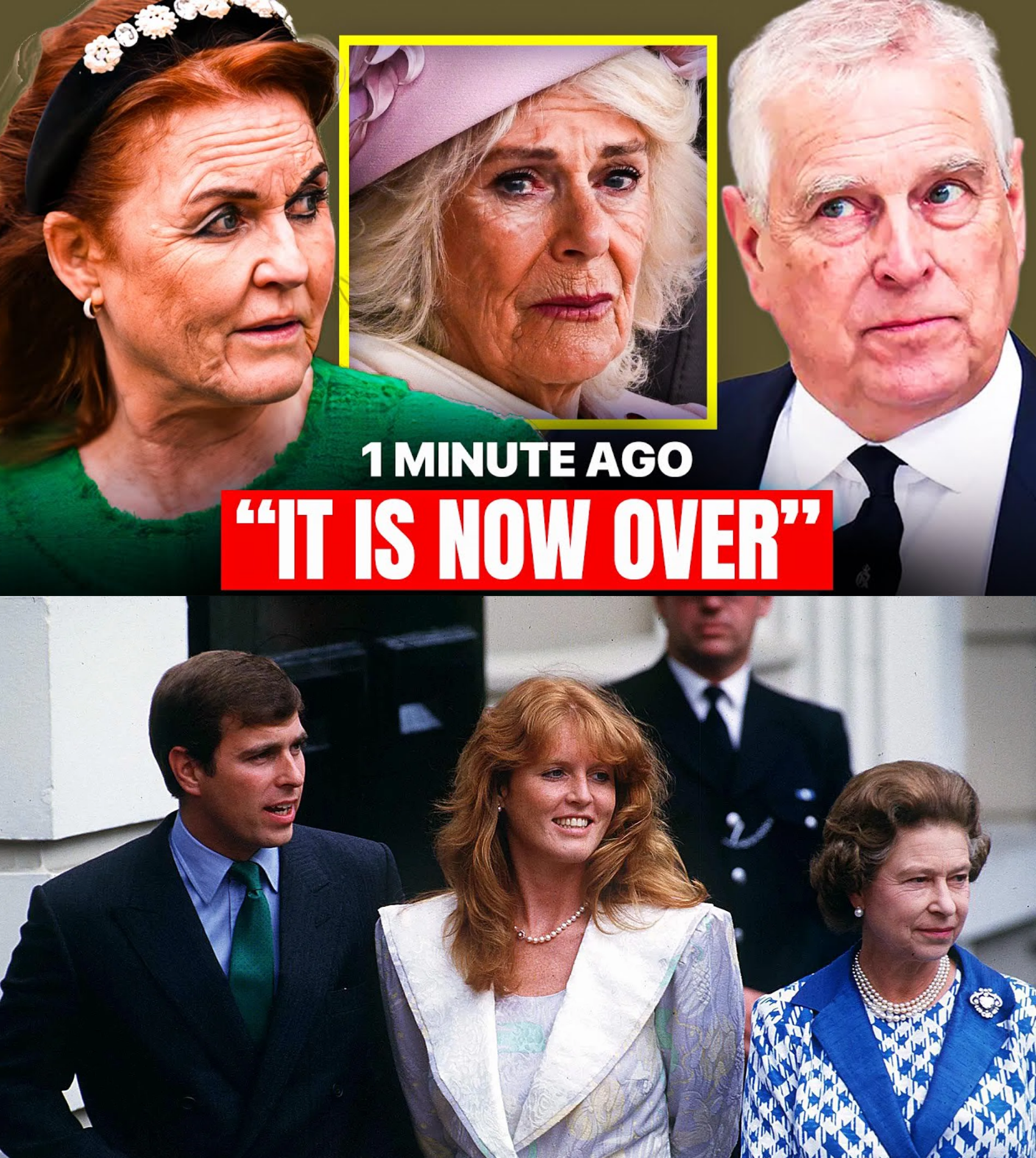
The descent of Prince Andrew was not a sudden collapse but a long, agonizing erosion of trust. For over fifteen years, the scrutiny surrounding his association with Jeffrey Epstein acted as a slow-burning fire that eventually consumed his reputation. The public’s disbelief turned to outrage following the 2019 BBC Newsnight interview, a disastrous PR catastrophe that sought to clear the Duke’s name but instead solidified the public’s judgment. As he sat in Buckingham Palace, attempting to explain away relationships that were fundamentally incompatible with his role as a working royal, he failed to grasp the magnitude of the shift in public sentiment.
The weight of the scandal grew heavier with the allegations made by Virginia Giuffre, who claimed to have been trafficked by Epstein and forced into encounters with the Duke when she was a teenager. Though Andrew consistently denied these claims, the narrative had already hardened. The subsequent legal battles, the 2022 multi-million dollar settlement, and the relentless surfacing of photographs and emails—each serving as a reminder of a world that the public found increasingly abhorrent—left the monarchy with no choice. In an unprecedented move, King Charles III initiated the formal process to strip his brother of his remaining royal titles and privileges, signaling that no member of the family, regardless of their birthright, is above the fundamental demand for accountability.
The Shattered Sanctuary of Royal Lodge
For years, Royal Lodge in Windsor Great Park served as the epicenter of the York family’s life—a sprawling, thirty-room sanctuary that provided a sense of continuity after Andrew and Sarah Ferguson’s divorce. Yet, as the scandal deepened, this home transformed from a symbol of royal reward into a reminder of a reality that could no longer be sustained. The formal termination of his lease and the requirement to relocate to more modest, privately funded accommodation on the Sandringham estate marks the final closure of a chapter.



This move is far more than a change of address; it is a physical distancing of a disgraced figure from the heart of the Crown Estate. It represents a poignant end to a lifestyle that many taxpayers found indefensible, particularly as the Duke remained excluded from royal duties while maintaining a residence preserved at significant public expense. As he prepares to move north, leaving behind the corridors where his children grew up, the transition serves as a silent, unrelenting indicator of his diminished status. The “graceful gesture” of the late Queen, who had once allowed her son comfort and privacy, has been replaced by the stern necessity of a new era, one that prioritizes the reputation of the institution over the personal desires of its members.
The Collateral Impact on the York Family
Perhaps the most heartbreaking aspect of this saga is the ripple effect it has had on the women caught in its wake: Sarah Ferguson and their daughters, Princesses Beatrice and Eugenie. Sarah, who has navigated decades of intense public scrutiny, finds herself once again at a crossroads. Despite their 1996 divorce, she remained a constant presence by Andrew’s side, a loyal confidante in a world that often turned against them. Now, she too must navigate a path forward as she leaves the only home she has known for years, all while dealing with the fallout of her own past, albeit tangential, connections to Epstein.
Princesses Beatrice and Eugenie, meanwhile, have had to walk a delicate line, striving to build their own independent lives and careers while the shadow of their father’s past continues to loom. While they have retained their titles—a small, perhaps merciful, concession—they have not been entirely spared from the collateral damage. From charities cutting ties to the uncomfortable resurfacing of old photographs, the burden of their father’s history is a weight they never asked for but must now carry. They are young women attempting to define themselves in the public eye, only to be constantly pulled back into a narrative of scandal they did not author. Their resilience, though quiet, is the only bridge that remains for a family that has effectively been dismantled by the actions of its patriarch.
Reflections on a Royal Reckoning
As the dust begins to settle on this modern royal tragedy, one is left to ponder the nature of duty, accountability, and the erosion of trust. The story of Andrew Mountbatten-Windsor is a testament to the fact that power and status are not impenetrable shields against the consequences of one’s actions. The monarchy, in its effort to survive and remain relevant in a skeptical age, has been forced to prune its own branches to ensure the health of the tree. This is a difficult, painful process, but it is one that the public has demanded with increasing volume.
For the older generation, who remember the grandeur of a different time, this turn of events may feel like a betrayal of the stability they associated with the Crown. Yet, there is a certain grace in the realization that the institution is willing to prioritize moral legitimacy over familial blind loyalty. The halls of Windsor may be quieter now, and the titles that once heralded a Prince have faded into the name of a private citizen, but in this stripping away, there is a clear lesson: a legacy is not simply inherited through blood; it is maintained through the quiet, consistent work of integrity. As the Duke of York leaves the stage, the monarchy continues, tempered by the hard-won wisdom that, in the eyes of history, the truth is the only title that truly endures.