The Duchess Of Kent’s Unprecedented Funeral, It Drastically Breaks From Royal Tradition
The British royal family is entering a moment of solemn reflection as it prepares to bid farewell to one of its most quietly impactful members. Catherine, Duchess of Kent, passed away peacefully at her Kensington Palace residence on September 4, 2025, at the age of 92. Surrounded by her loved ones, her departure marks the close of a remarkable life that blended the dignity of royalty with a deeply personal journey of faith, humility, and service.
Buckingham Palace has now confirmed the funeral arrangements, which will break from centuries of established royal tradition. On September 16, the Duchess will be laid to rest at Westminster Cathedral in London, where a Catholic requiem mass will be held in her honor. This historic service represents the first Catholic royal funeral in modern British history, underlining the late Duchess’s individuality and commitment to her faith.
In the days leading up to the funeral, her coffin will rest in a private chapel at Kensington Palace, before being transferred to Westminster Cathedral on the evening of September 15. There, the Rite of Reception and Vespers will be observed — solemn Catholic traditions seldom associated with the British monarchy. The following day at 2 p.m., the requiem mass will fulfill Catherine’s long-stated wish to be laid to rest within the cathedral’s sacred walls.
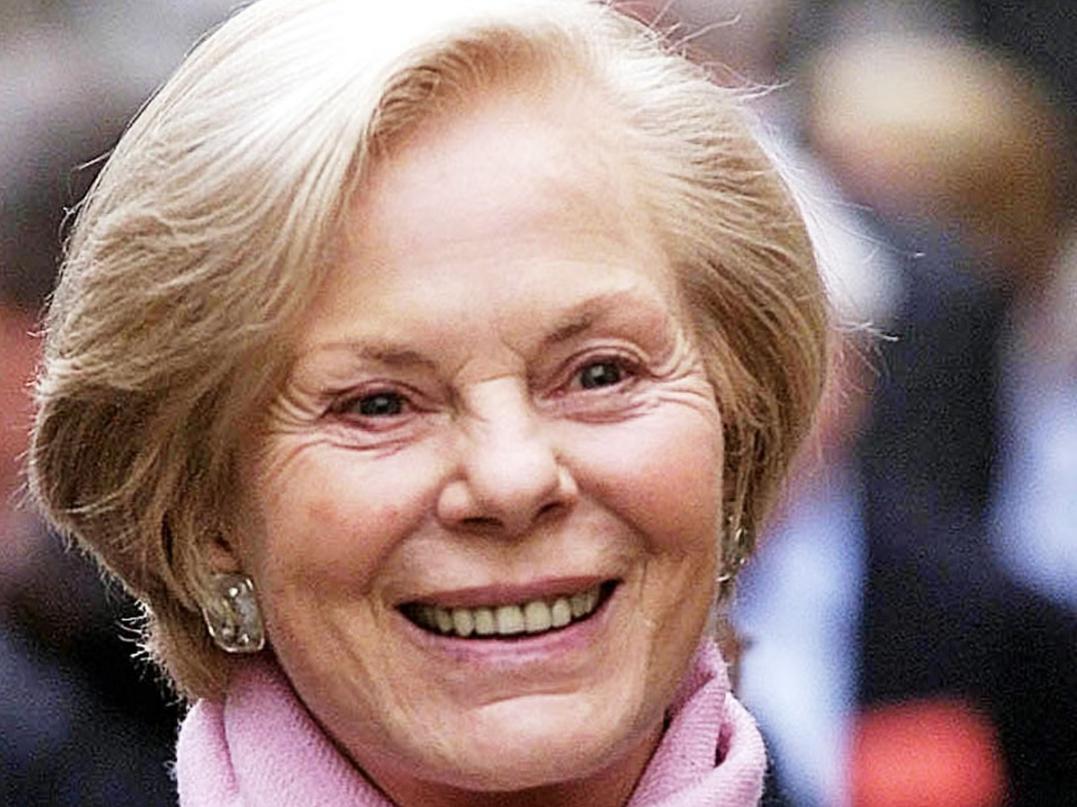
The service will be attended by King Charles and Queen Camilla, alongside the Duchess’s husband, the Duke of Kent, and their three children: George, Earl of St Andrews; Lady Helen Taylor; and Lord Nicholas Windsor. Following the mass, her coffin will be transferred to the Royal Burial Ground at Frogmore, Windsor, where she will rest among generations of the royal family. Flags across royal residences will be lowered to half-mast in her honor.




Yet the funeral will differ from royal custom in more ways than one. In accordance with the Duchess’s wishes, it will not be televised and will remain a private event, attended mainly by family, close friends, and representatives from the many charities she supported. This stands in stark contrast to the grand, highly public funerals of other senior royals, reflecting Catherine’s lifelong preference for humility and her quiet rejection of excessive ceremony.
The Duchess’s decision to convert to Roman Catholicism in 1994 was a pivotal moment in her life — and a bold one in royal history. As the first senior royal to embrace Catholicism since 1685, her choice was groundbreaking. Despite the restrictions of the Act of Settlement (1701), which barred Catholics from the line of succession, Queen Elizabeth II approved the move, allowing Catherine and the Duke of Kent to retain their titles and positions. Her conversion was motivated not by politics but by a personal search for comfort, discipline, and clarity. “I do love guidelines, and the Catholic Church offers you guidelines,” she once explained. “I like to know what’s expected of me. I like being told, you shall go to church on Sunday, and if you don’t, you’re in for it.”
While her faith marked one chapter of her life, her love of music and education defined another. After stepping back from full-time royal duties in 1996, she taught music in primary schools, often without revealing her royal title. Her students and colleagues remembered her as a patient, passionate teacher who believed in the transformative power of music for young people. In 2002, she took another step away from royal protocol by ceasing to use the style “Her Royal Highness,” preferring instead a quieter life. Yet through her charitable work and personal compassion, she left an indelible mark on those she encountered.
Tributes from Buckingham Palace captured the dual nature of her legacy: a duchess who carried herself with grace in the royal sphere while devoting her private life to service and empathy. “The King and Queen, and all members of the royal family, join the Duke of Kent, his children and grandchildren in mourning their loss and remembering fondly the Duchess’s lifelong devotion to all the organizations with which she was associated, her passion for music, and her empathy for young people,” the statement read.
Her funeral at Westminster Cathedral will also be a historic milestone for the monarchy itself. Since its consecration in 1903, the cathedral has never hosted a royal funeral. That Catherine’s farewell will inaugurate this precedent speaks volumes about her individuality and her ability to navigate life within — and sometimes gently outside — the expectations of monarchy.
Her passing comes at a moment of transition for the royal family, as King Charles continues efforts to modernize the institution while preserving its traditions. Yet amid global attention and political shifts, the funeral will stand apart as an occasion of quiet dignity, honoring a woman who was unafraid to chart her own path.
As Britain prepares to lower its flags and gather in remembrance, Catherine, Duchess of Kent, will be remembered not only as a royal consort but as a woman of faith, humility, and independence. Her life’s story, from Windsor palaces to classroom music lessons, reflects a legacy that transcends protocol. On September 16, the nation will witness a farewell that rewrites royal history while honoring a duchess who lived with grace, courage, and authenticity.
Would you like me to create a timeline-style account of the Duchess of Kent’s life milestones to accompany this narrative? It could highlight key moments — her marriage, conversion, charitable work, and legacy — in a way that complements the funeral coverage.